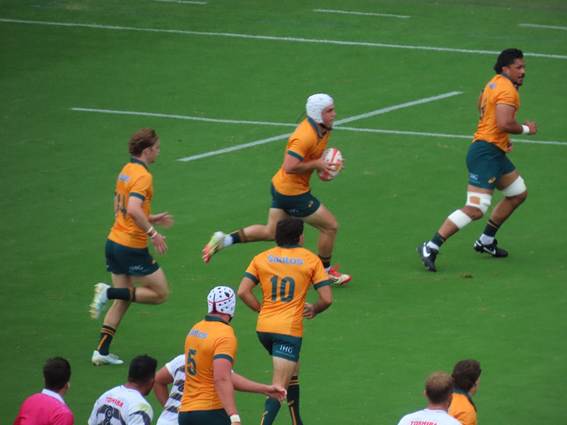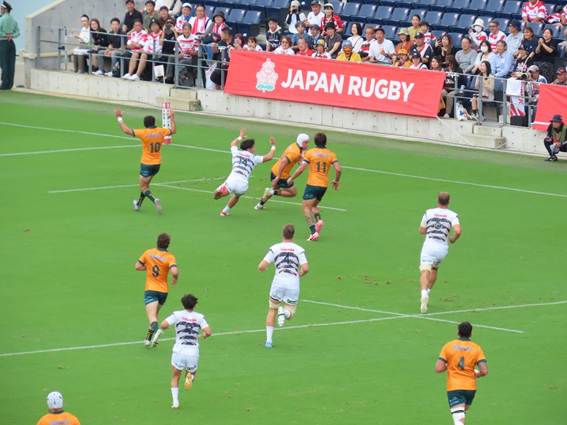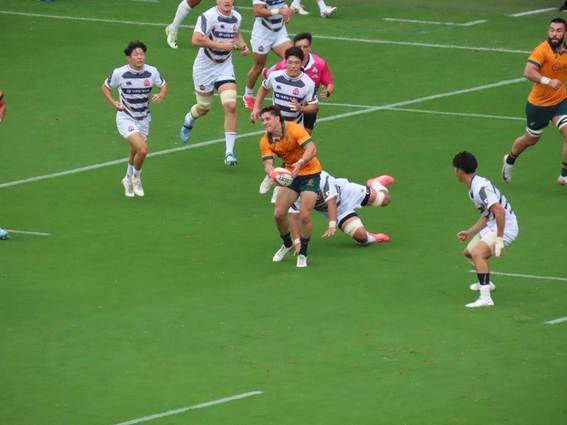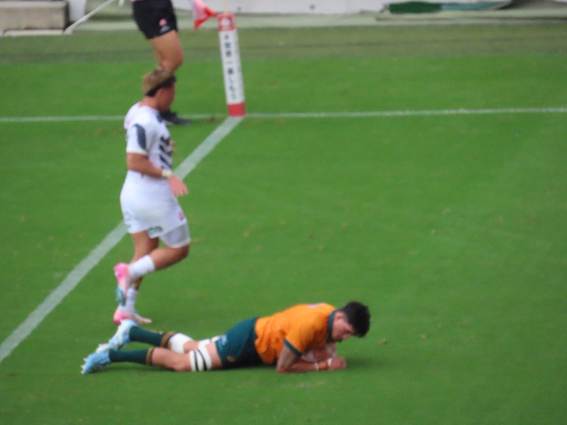
RUGBY JERSEY – Test Match: Brave Blossoms vs. Wallabies

(Written by Azul: November 16, 2025)
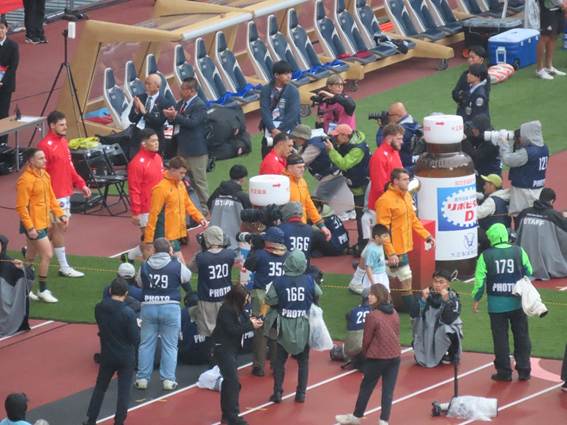
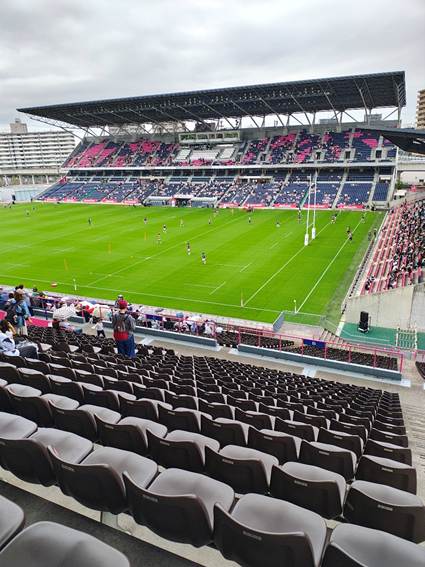
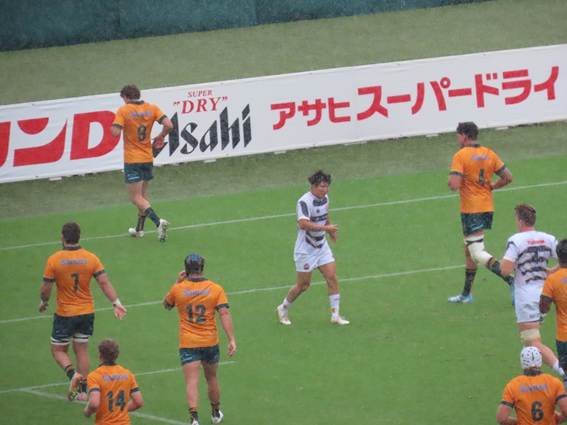
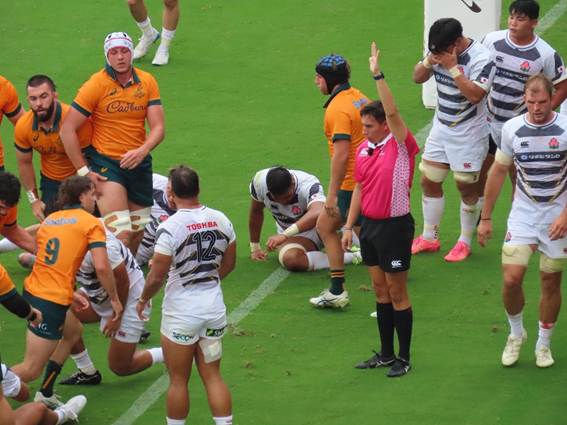
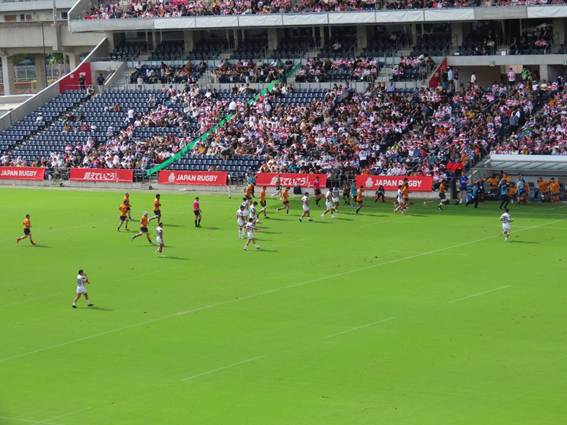
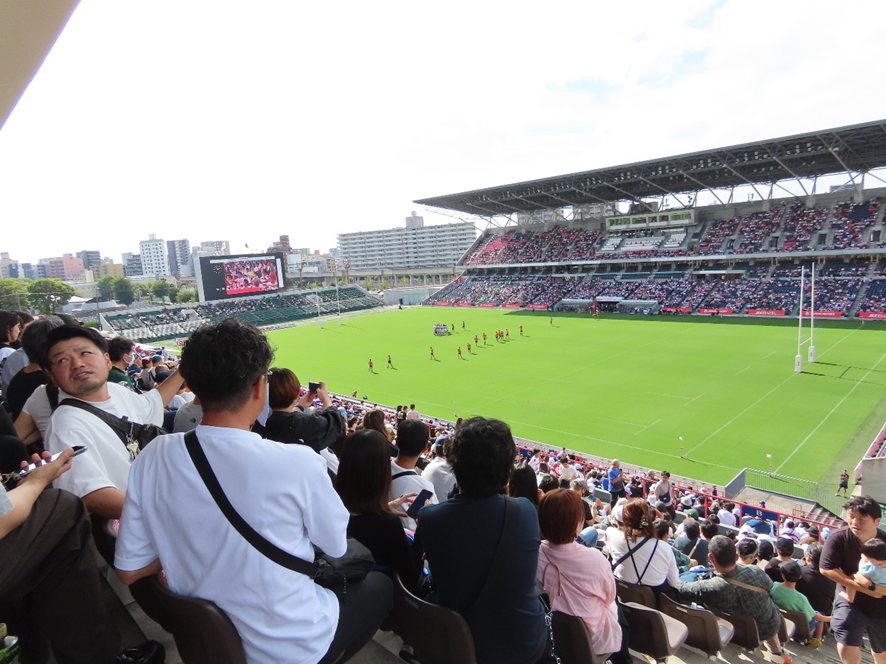
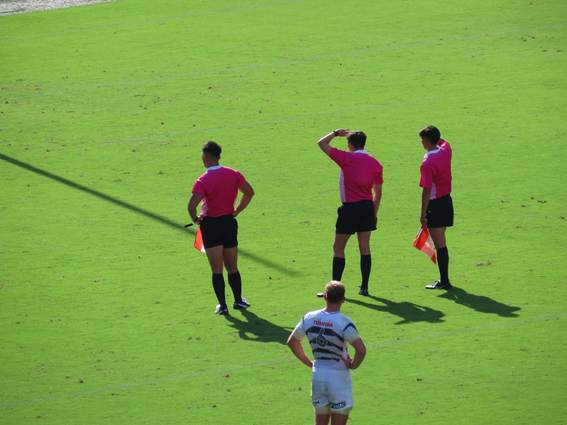
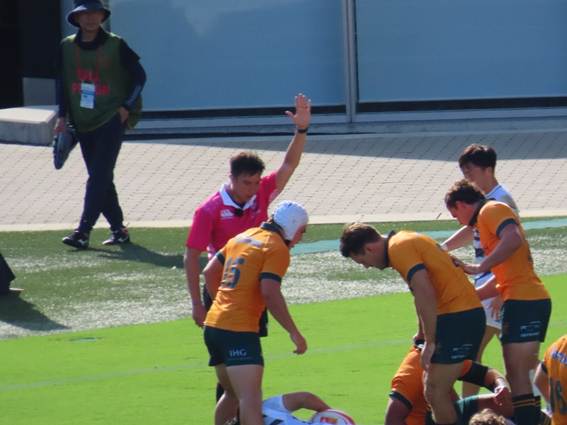
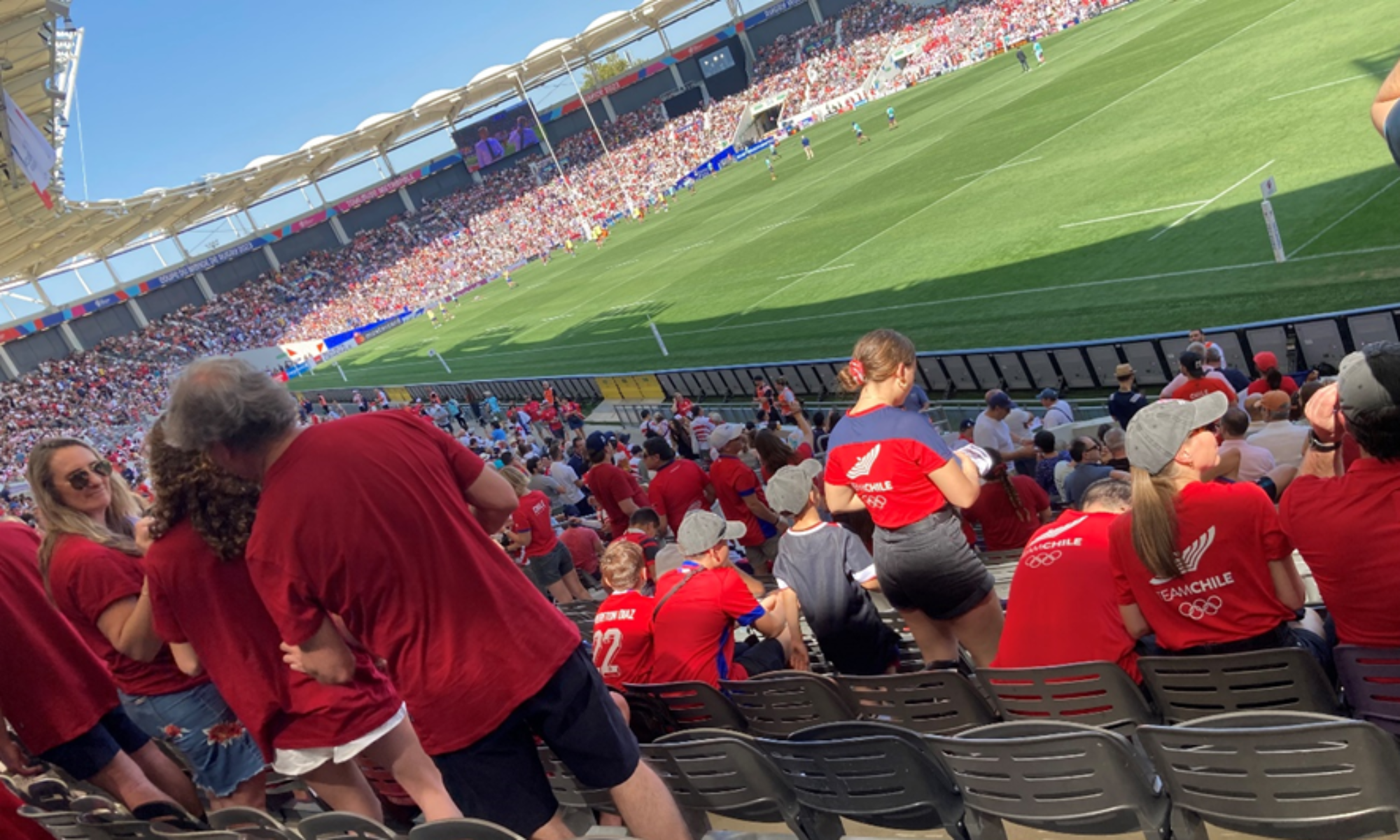
On October 25, 2025, a friendly match between the Japan national rugby team, the Brave Blossoms, and the Australian national team, the Wallabies, was held at the National Stadium in Shibuya Ward, Tokyo. The Japanese team had lost all 6 previous matches against Australia and still had no victories. Could the Japanese team finally secure their first win in this 7th encounter?
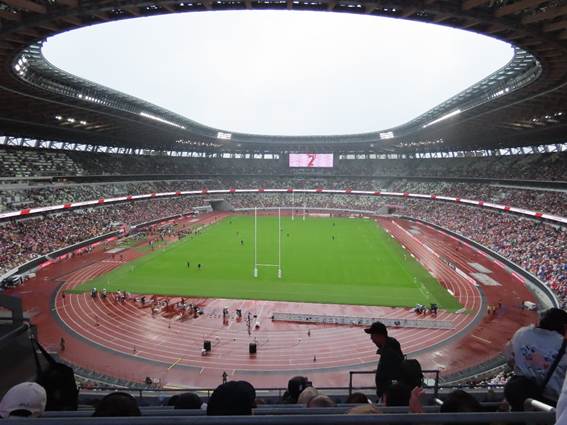
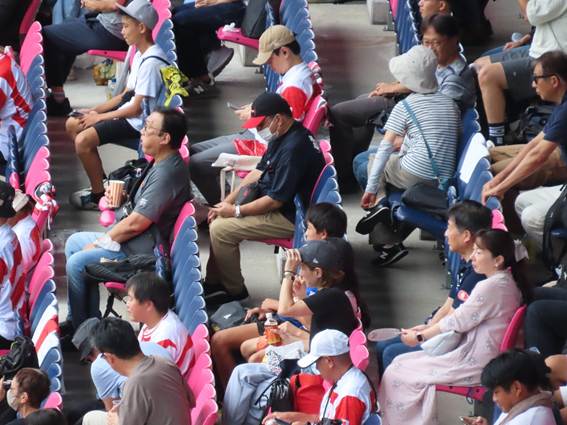
Unfortunately, the weather brought rain. The temperature was 15 degrees Celsius, making for a chilly match to watch.

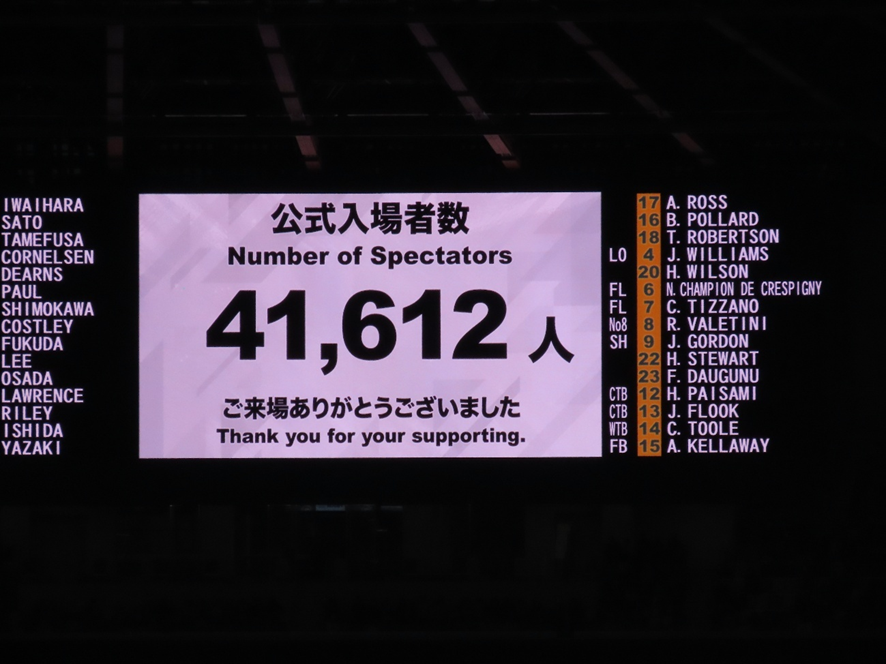
Attendance for the day was 41,612, a fairly decent turnout.
The Japanese national team is scheduled to tour Europe next, playing 4 Test matches.

The results of the Japanese national rugby team’s Test matches this season are as follows.

Japan Rugby Test Match 2025
 DateOpponentmatch venueResult
16/28Maori All BlacksTokyo20-53●
27/5WalesKitakyushu24-19○
37/12WalesKobe22-31●
48/30CanadaSendai57-15○
59/7USAHeart Health Park47-21○
69/15TongaDicks Sporting Goods Park62-24○
79/21FijiAmerica First Field27-33●
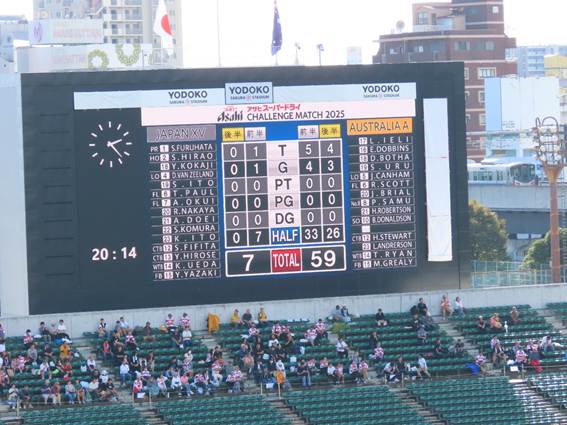
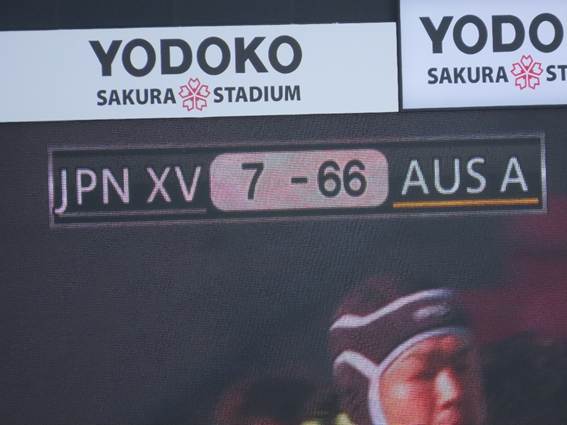
810/18Australia AYodokou Sakura Stadium7-71●
510/25AustraliaTokyo 
611/1South AfricaLondon 
711/8IrelandDublin 
811/15WalesCardiff 
911/22Georgia  

Looking at the results so far, the Brave Blossoms have lost to opponents ranked higher in the world, except for the 7-5 win against Wales. With upcoming Test matches against higher-ranked nations, we hope to see them perform even better than last season.

Now, let’s introduce the 2 teams competing this day.

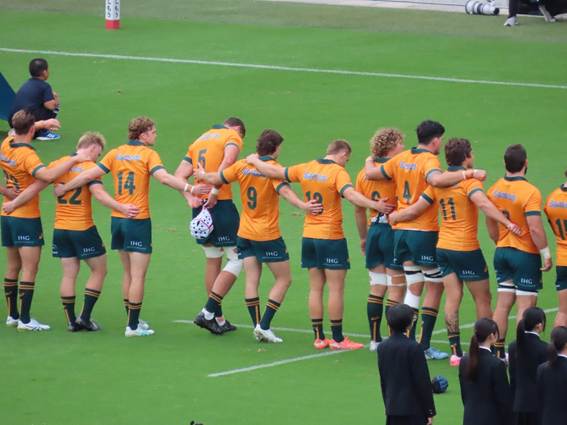
First, the Visitor Team: the Australian national rugby team, the Wallabies.
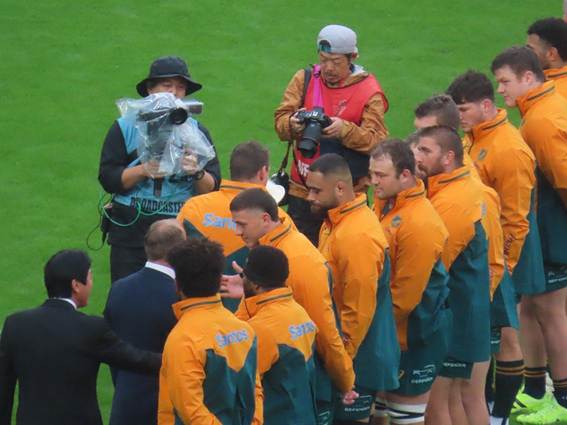
Currently ranked 7th in the world. They have won the Rugby World Cup twice, in 1991 and 1999. At RWC 2023, they suffered the humiliation of their first-ever pool stage elimination. However, since last season, the team has strengthened and is regaining its peak form. The Wallabies’ playing style combines dazzling open attack with stable set pieces anchored by a powerful forward pack. They are not a team that relies solely on the forwards to attack, making them a good matchup for the Brave Blossoms, who also excel in open attack. This has historically produced exciting matches. However, the head-to-head record favors the Australian national team completely. The Japanese national team has never won.

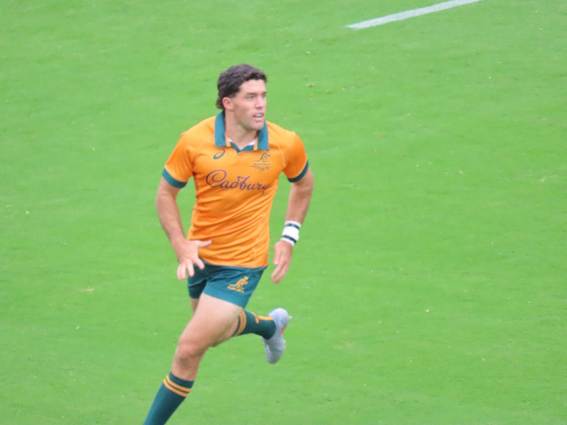
** Player to watch **
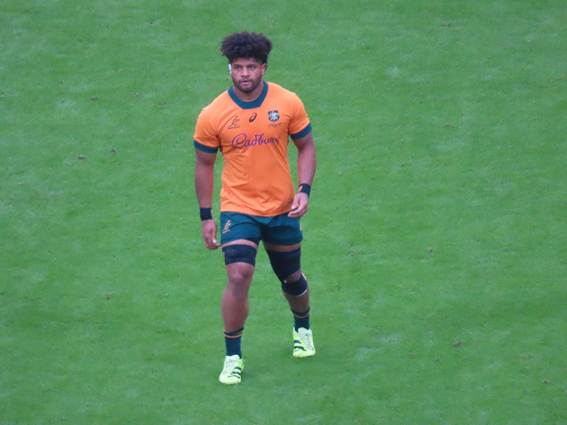
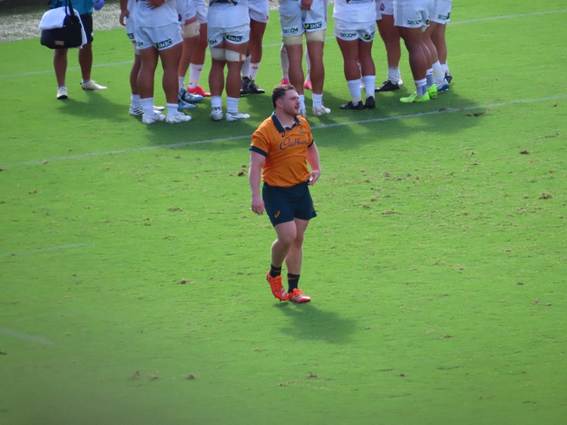
Rob VALETINI. 193cm, 117kg, 27 years old. Position = FL, No. 8. Club = Brumbies. Australia caps = 39. The second player in history to sign a Super Rugby contract while still in high school. In 2018, he suffered a major injury that forced him to take an extended break. However, his subsequent performances earned him his Australian Test debut against Samoa in September 2019. His playing style, leveraging his powerful physique, features strong ball carries and clever offload play that leaves a strong impression on spectators. In 2023, he was named Super Rugby Pacific Player of the Year.

In this Test match, the powerful Wallabies back row, centered around him, is expected to dominate the game.

Next, an introduction to the Home Team, the Japan national rugby team, the Brave Blossoms.
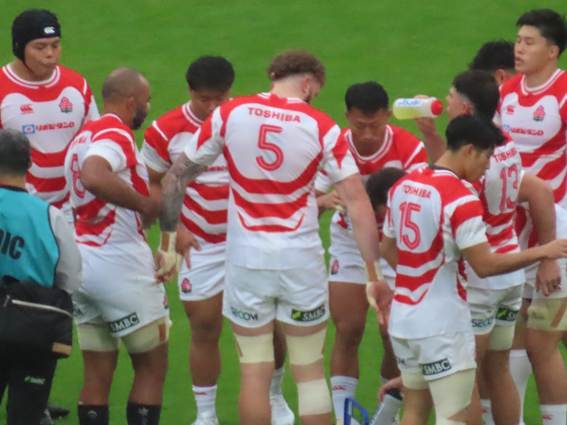
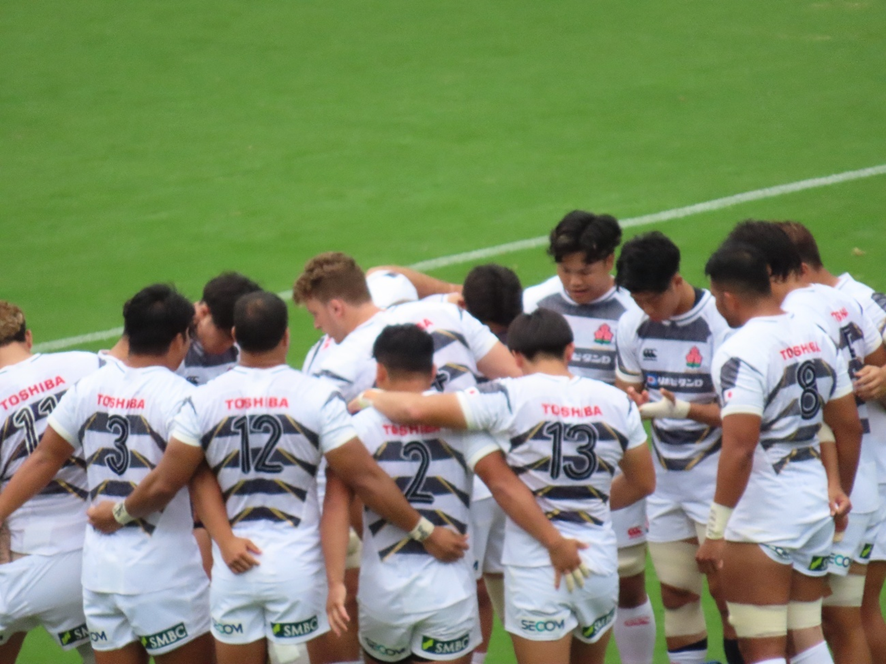
The Brave Blossoms face 4 consecutive weeks of matches against teams ranked in the top tier of the world rankings starting this week. The goal for this series is to elevate their current world ranking of 13th into the top 12. The RWC 2027 pool draw will be determined by the world rankings as of December this year. To secure a favorable pool draw in the RWC 2027 qualifiers, they aim to accumulate wins even against top-ranked opponents. Will the Brave Blossoms succeed?

** Player to watch **

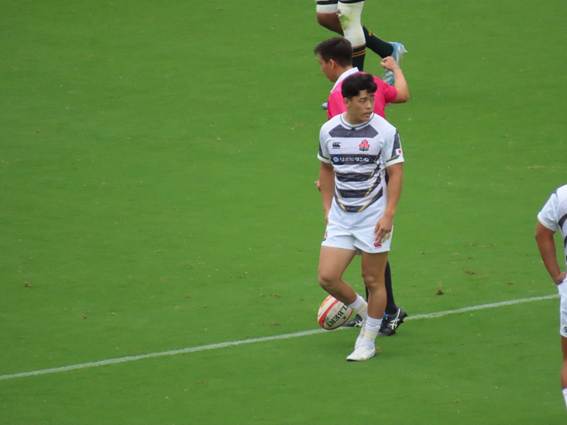
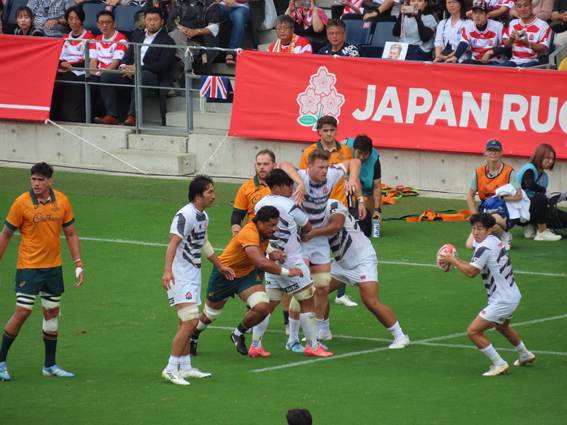
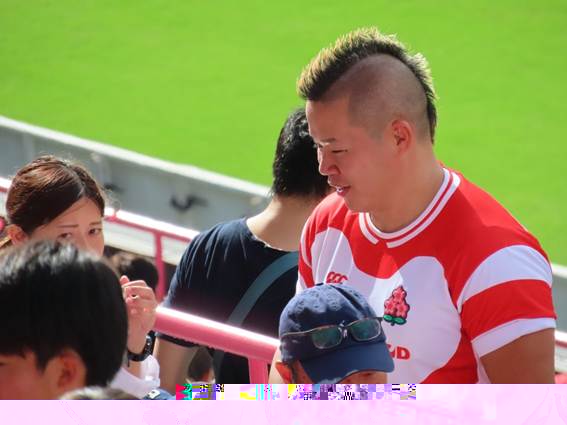
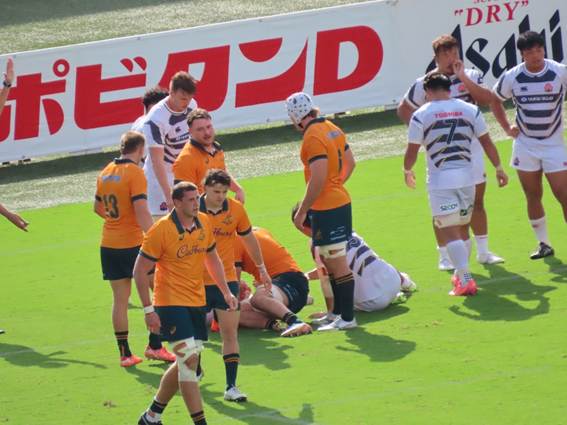
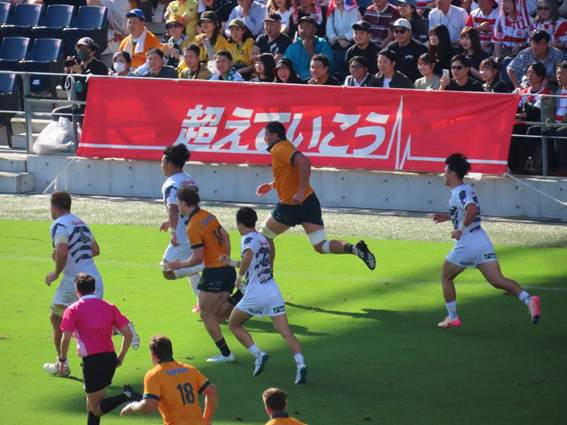
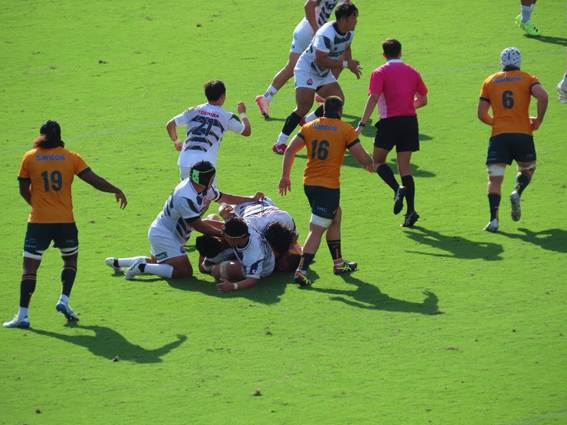
(The player standing in the left corner of the photo above is Ben GUNTER)

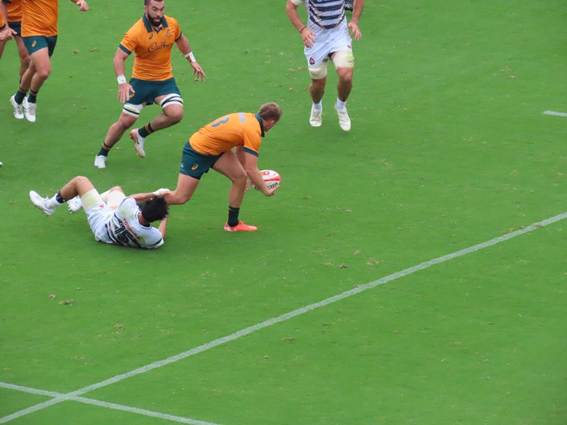
Ben GUNTER. 195cm, 120kg, 28 years old. Position = FL. Club = Panasonic Wildknights. Japan National Team Caps= 16. Born in Australia. After graduating high school in Australia, he was unable to secure a professional contract with a local team. However, he passed the tryouts for Japan’s Wildknights and turned professional in Japan. At age 19, he set the record for the youngest player ever to appear in a Top League match,Japan. Later, at age 21, he was selected for the Sun Wolves, Super Rugby Team. At age 26, he was selected for the Japan National Team for RWC 2023. He is currently a central defensive player for the Japan national team. His physical abilities are world-class. His tackles are so powerful that he has suffered frequent injuries in the past, limiting his caps. We hope he can approach RWC 2027 in peak physical condition.

Now, the first half kicks off.
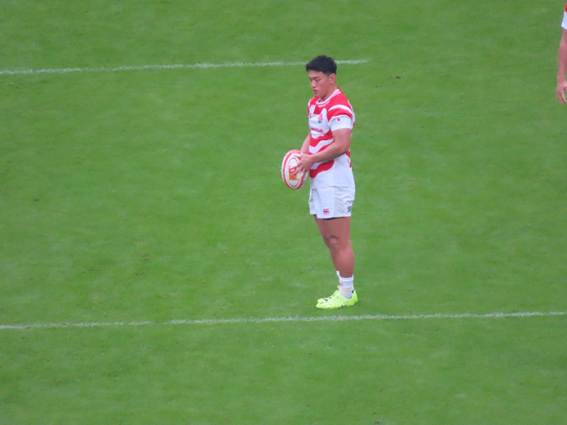
One week prior, Japan XV, the Japan national team’s reserve squad, suffered a humiliating defeat against Australia A. The Brave Blossoms, Japan’s national team, faced immense pressure in this home game, carrying the hopes of their local fans. The previous week, Japan XV’s set pieces nearly collapsed under the opposing team’s pressure, leading to their heavy defeat. On offense, Japan XV’s attacks failed to breach Australia A’s defensive line, resulting in them being shut down except for FB YAZAKI’s try.
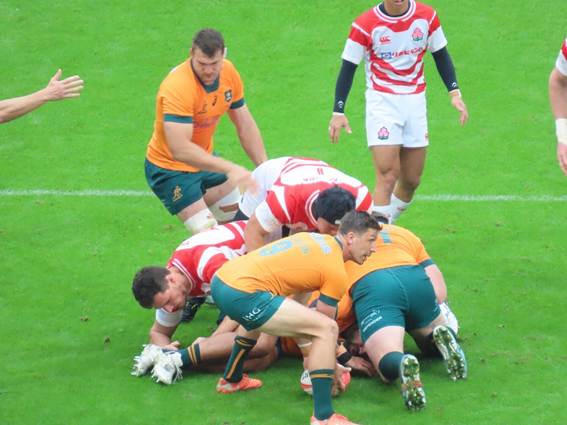
Could the Brave Blossoms live up to the expectations of the Japanese fans?

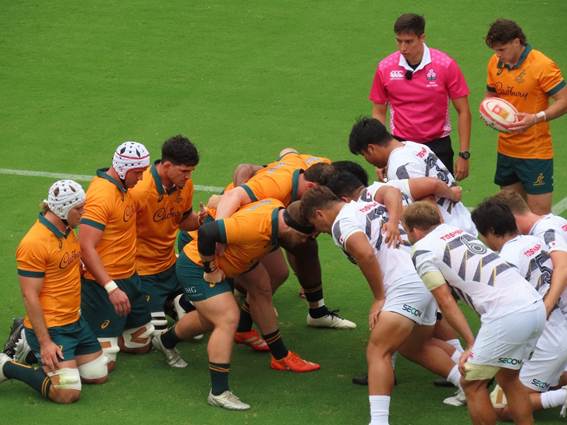
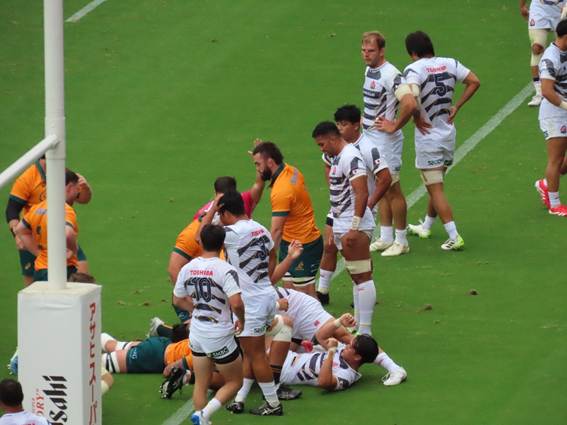
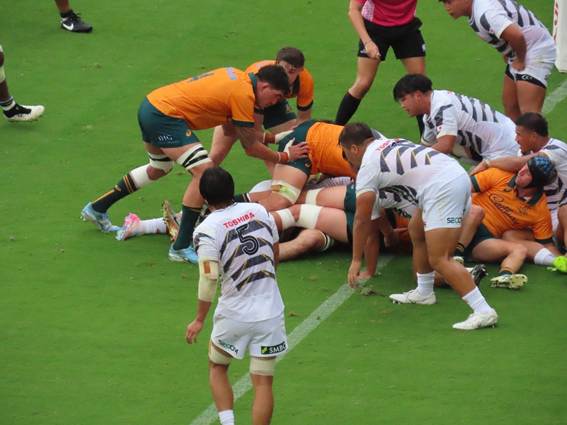
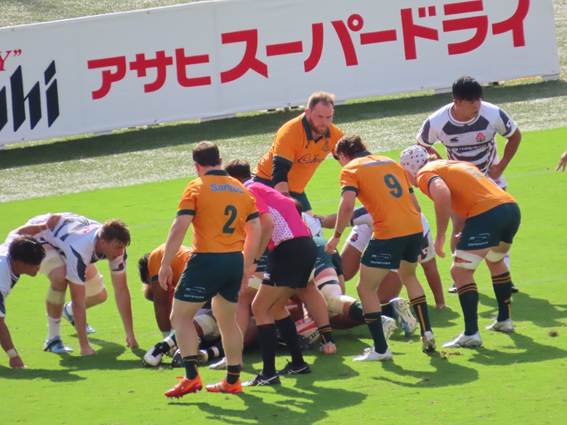
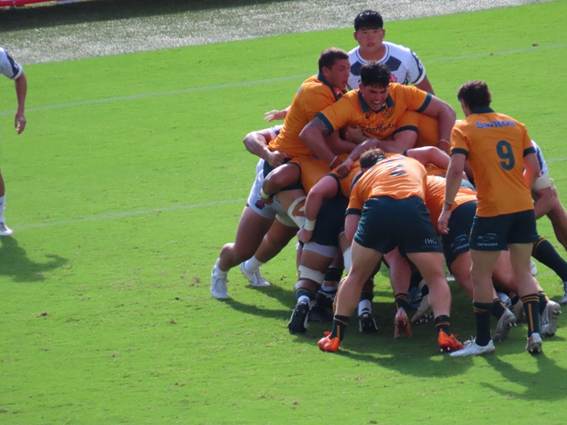
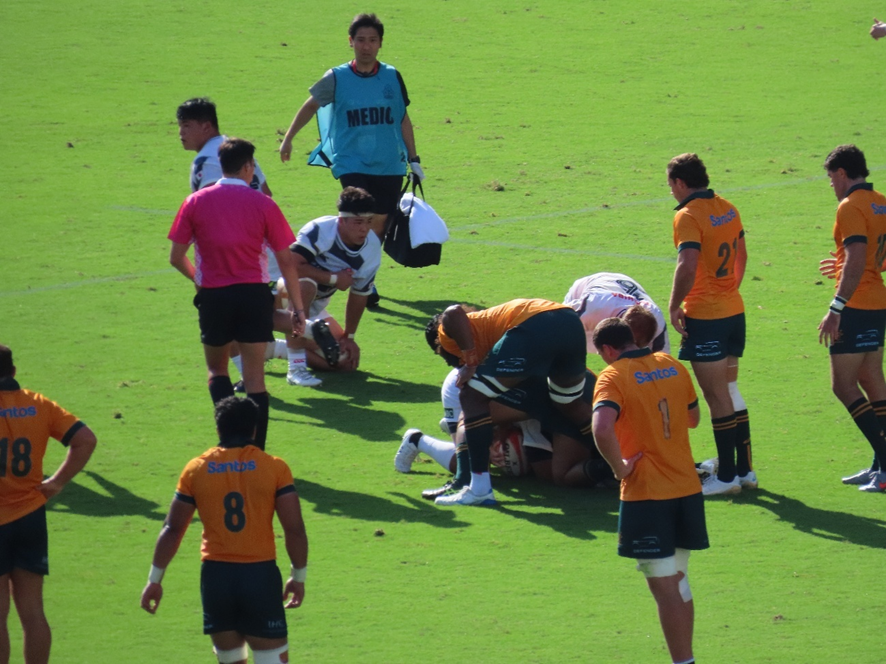
The Brave Blossoms successfully retained possession in the first scrum. However, in the early scrum battles, the Wallabies held a slight advantage.

13 minutes into the first half:

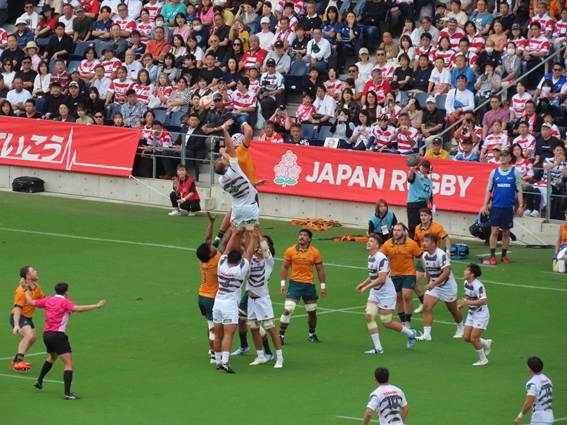
The Brave Blossoms failed to secure the ball at their own lineout. Despite having the 201cm tall jumper DEARNS, they couldn’t win the ball. This allowed the Wallabies to advance deep into the opposition’s territory. Their forwards drove forward vertically, scoring the opening try in the left center of the opposition’s in-goal area after only a few phases.
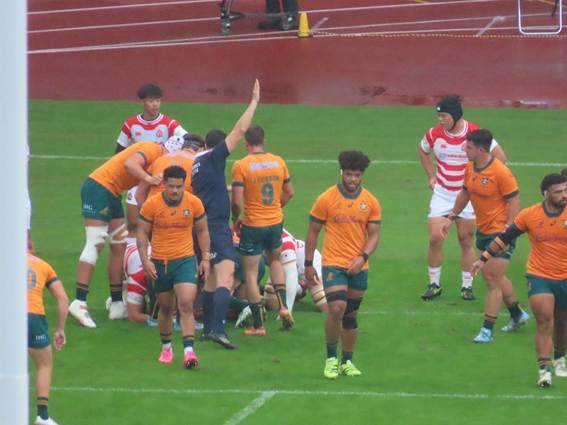
The conversion kick was successful, bringing the score to 0-7.
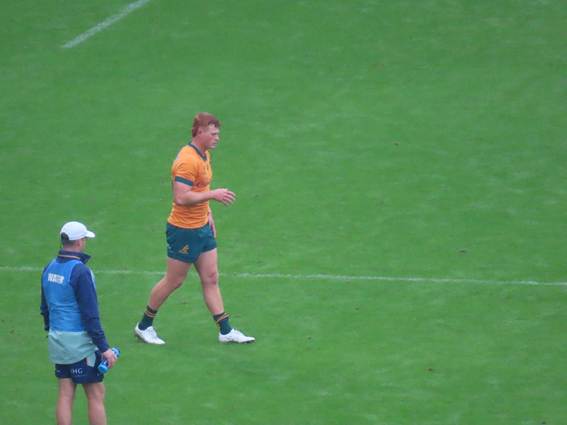
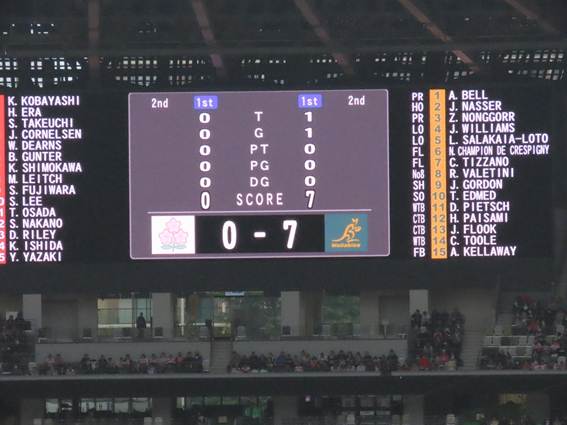
27 minutes into the first half:

Rain had been falling since kickoff, causing the ball to be quite slippery and leading to numerous handling errors like knock-forwards. Consequently, both teams’ scrum-halves adopted a strategy of kicking for contest deep into the opposition’s territory after some build-up play, aiming to regain possession.
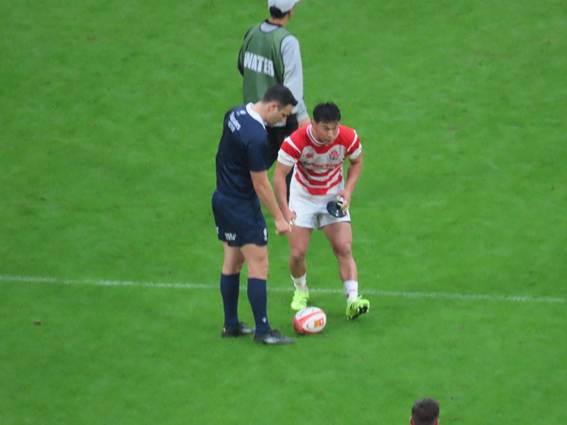
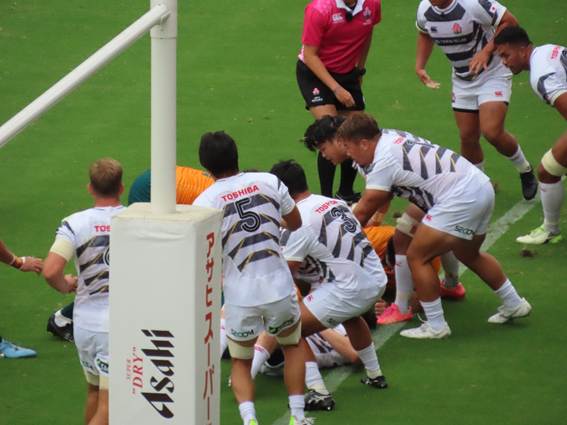
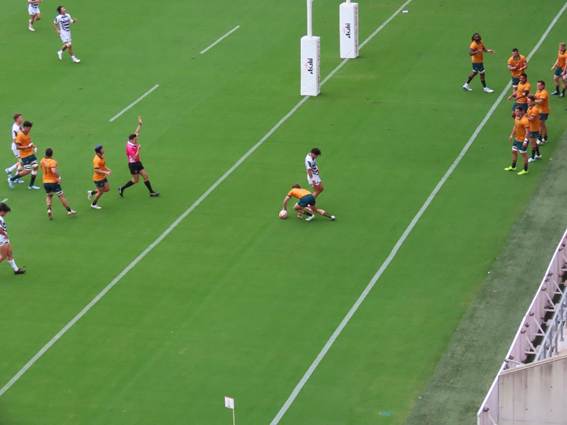
During this phase of play, the Wallabies committed an offside infringement in a scrum. The Brave Blossoms, seeing the infringement occurred directly in front of the goalposts, approximately 30 meters out, opted for a penalty goal.

Brave Blossoms SO LEE converted this penalty goal, bringing the score to 3-7.
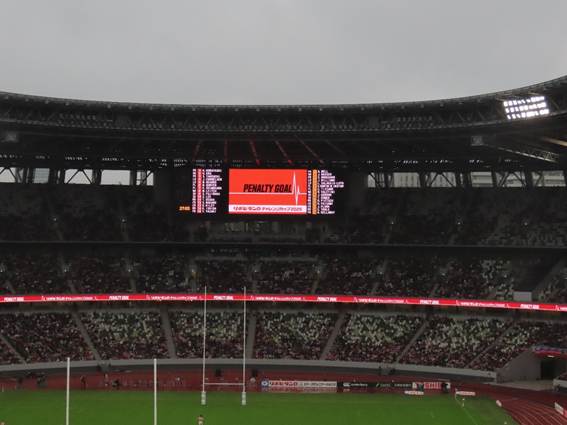
30 minutes into the first half:

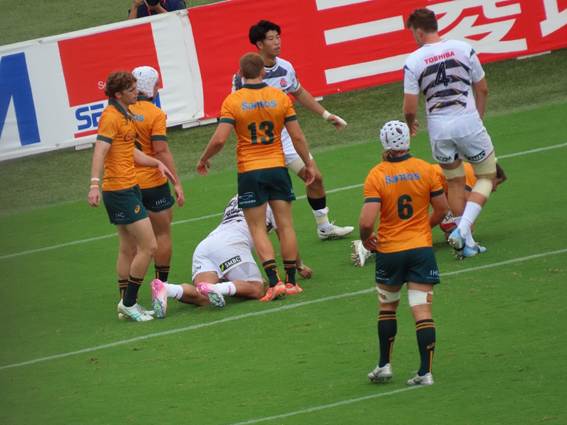
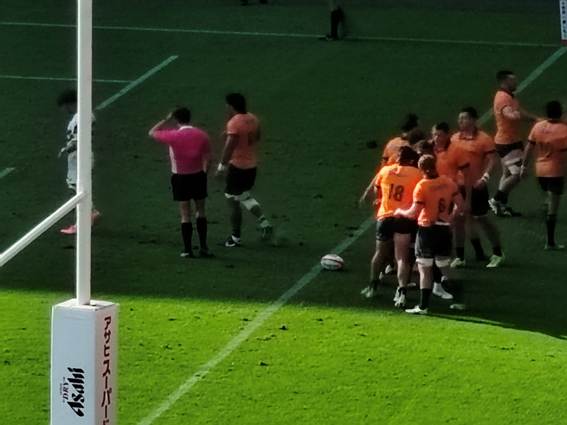
The Brave Blossoms needed to regain ground after catching the restart kickoff in their own half. However, they committed a knock-forward penalty in their own territory, resulting in a Wallabies scrum. From there, the Wallabies advanced, with FB KELLAWAY breaking through the line on the first attack. He passed to the following CTB FLOOK, who carried it straight into the opposition’s goal area.
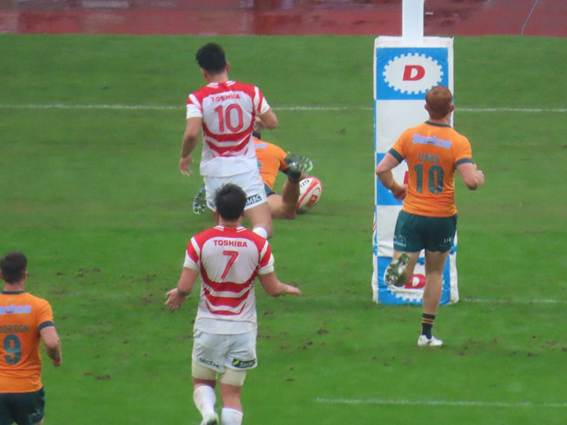
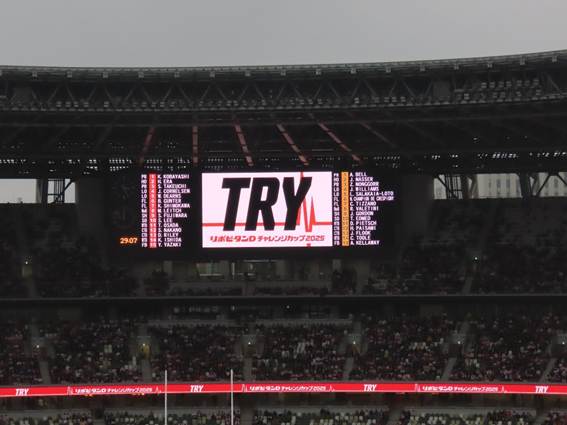
The conversion kick after the try was successful, bringing the score to 3-14.

The first half ended with this score. While the rainy weather played a part, the Brave Blossoms spent little time attacking and were mostly on defense. In contrast, the Wallabies showed efficient attacking, converting their opportunities into points without wasting much time.
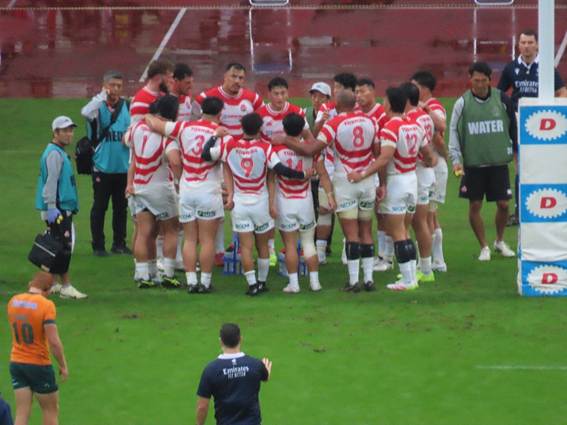
Can the Brave Blossoms stage a comeback in the second half despite this disadvantage?

Before the second half began, heavy rain started falling, worsening the ground conditions.

Now, the second half begun.

The Brave Blossoms finally penetrated the opposition’s territory and launched a series of attacks, though they failed to get them into scores. However, the Wallabies’ defense was solid, preventing them from reaching the try line.
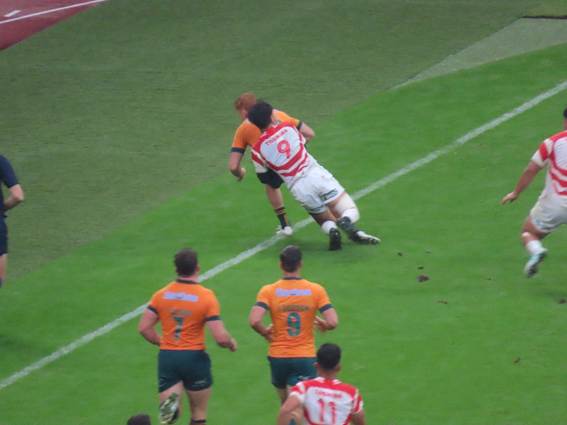
12 minutes into the second half:

The Wallabies committed a foul near the center of the field, and the Brave Blossoms opted for a penalty kick. SO LEE kicked the ball to a position threatening the try line, earning a lineout on the left corner in a prime spot. Securing the ball here, the Brave Blossoms’ forwards repeatedly launched side attacks towards the try line.
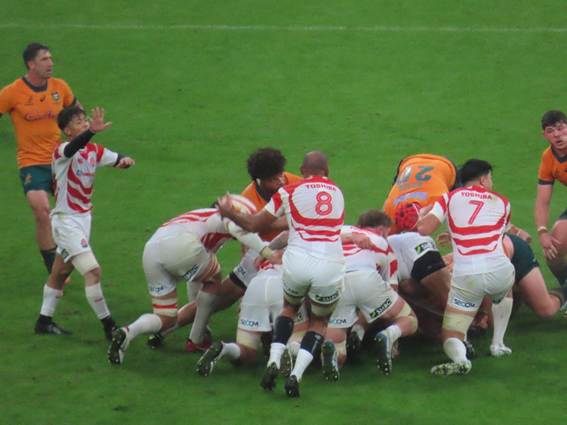
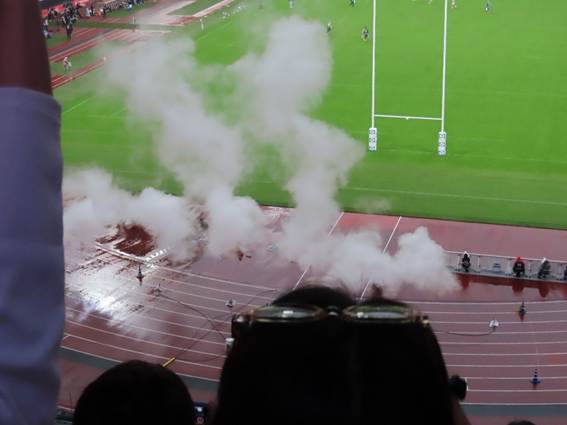
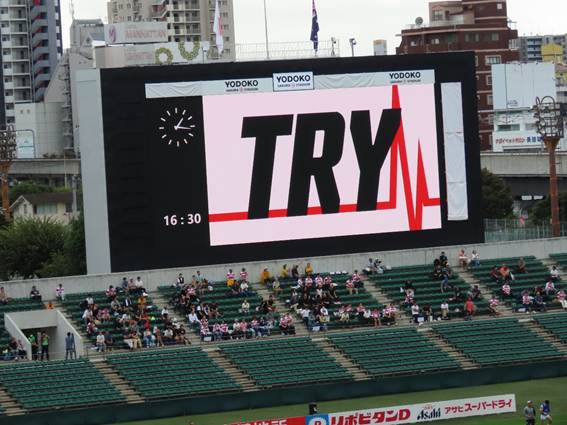
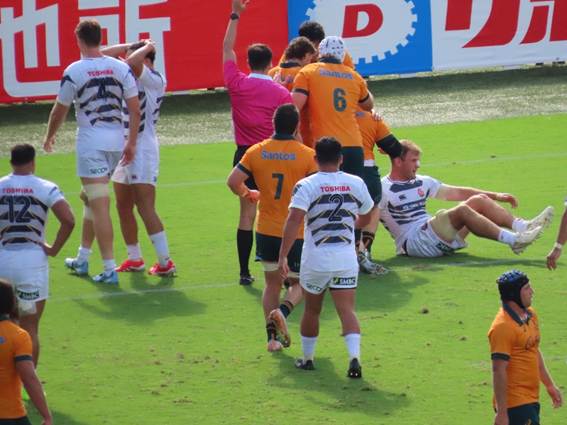
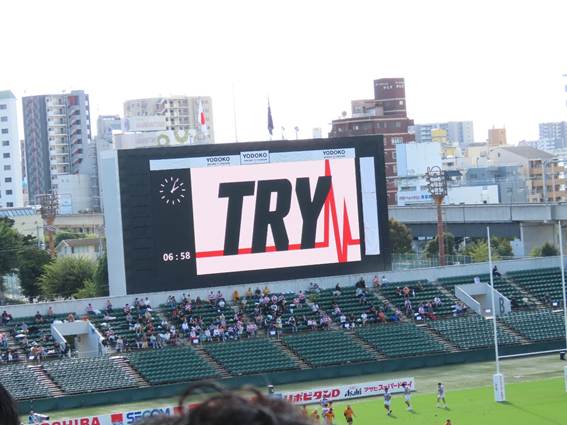
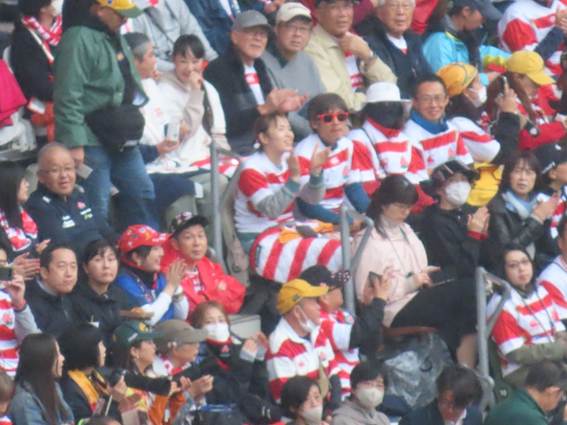
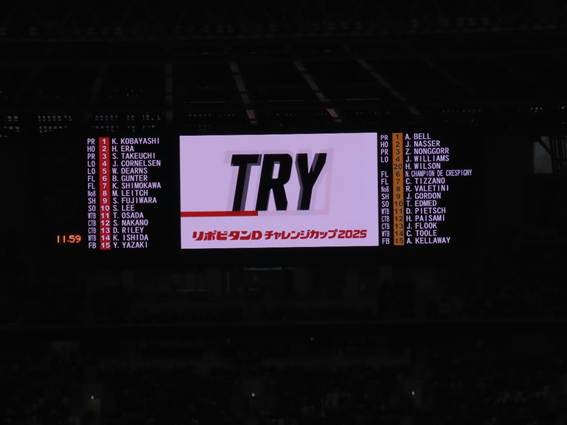
In this sequence, Brave Blossoms prop TAKEUTI broke through the opposition defense and scored a try in the left center of the in-goal area. The Brave Blossoms scored their first try of the match. The stadium erupted in the loudest cheer of the day.
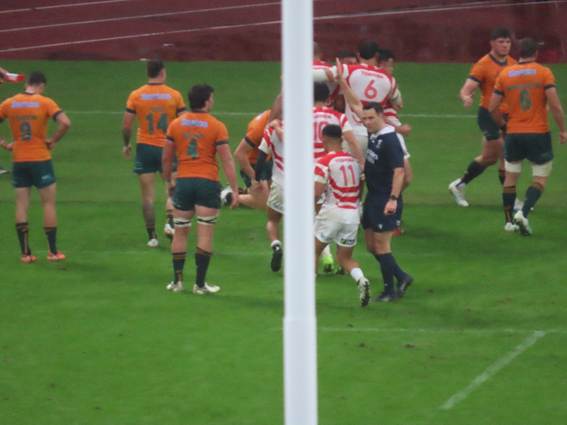
The conversion kick after the try was missed, bringing the score to 8-14.
17 minutes into the second half:

As if spurred by the Brave Blossoms’ earlier try, the Wallabies players’ fighting spirit ignited. Entering the opposition’s territory, the Wallabies forwards relentlessly drove forward through the scrum side.

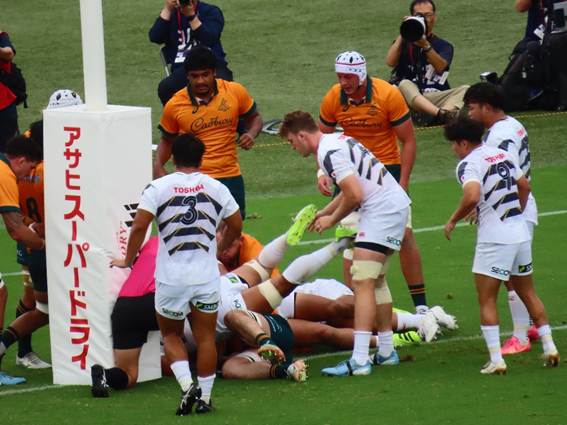
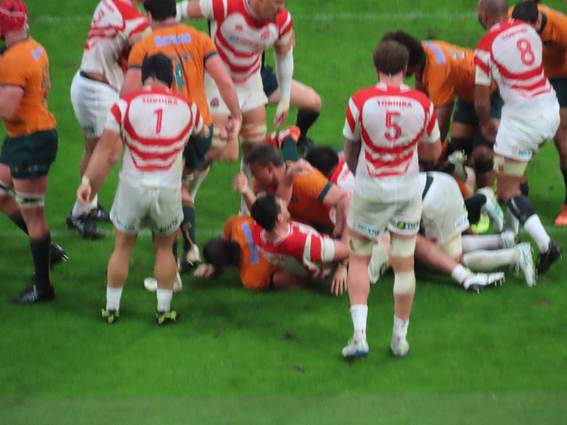
The Brave Blossoms desperately defended their try line but committed an offside infringement. The Wallabies gained territory through a penalty kick and earned a lineout on the left side of the opposition’s try line. Securing the ball, the Wallabies formed a maul and surged forward, with FL TIZZANO scoring a try in the left center of the opposition’s in-goal area.
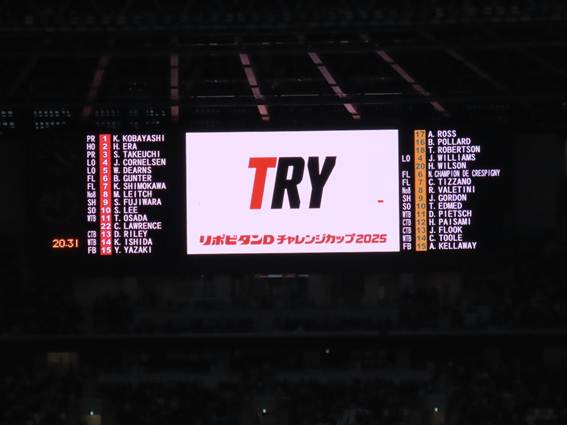
The conversion kick after the try was missed, bringing the score to 8-19.

21 minutes into the second half:

During this period, both teams traded points, and the game became evenly matched.

The Brave Blossoms continued their attack in the opposition’s territory from the restart kickoff, gradually closing in on the try line.
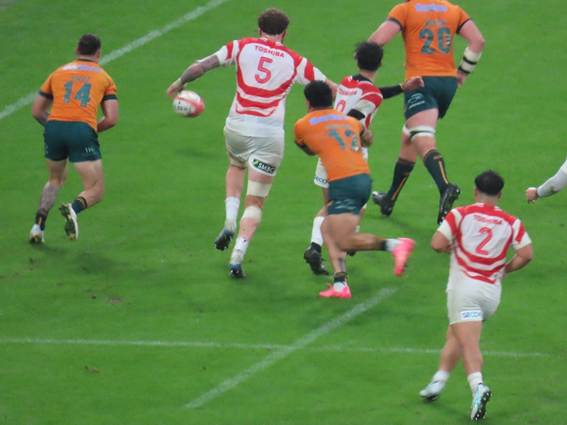
The Brave Blossoms gained the upper hand in the scrum, with scrum-half FUJIWARA driving forward to within 50 cm of the try line.
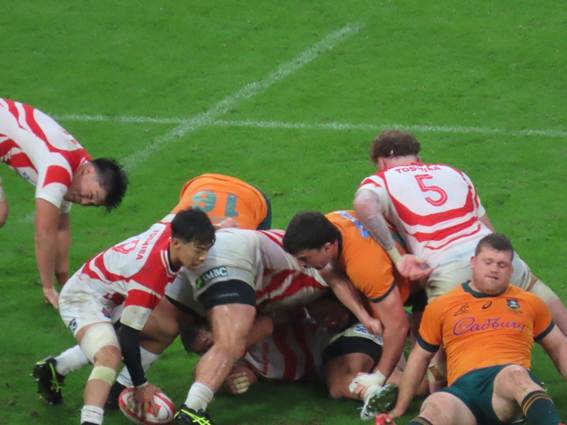
Flanker GUNTER followed up, breaking through the scrum and darting to the left center of the opposition’s in-goal area to score a try.

The conversion kick was successful, bringing the score to 15-1.
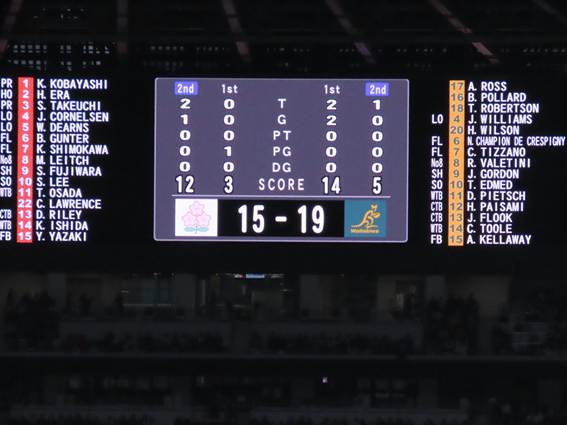
In the remaining minutes of the second half, the Brave Blossoms took control of the attack, launching consecutive drives deep into the opposition’s territory. However, they were unable to score, and the Brave Blossoms ultimately lost the match by a margin of 4 points, with the final score 15-19. Having created several chances in the second half, the Brave Blossoms were eager to cap off their final domestic Test match of the season with a victory.

Moving forward, the Brave Blossoms must improve their world ranking during their European tour to secure a favorable draw for RWC 2027. We look forward to the Brave Blossoms’ strong performance this season.

** My Watch Collection 2 **
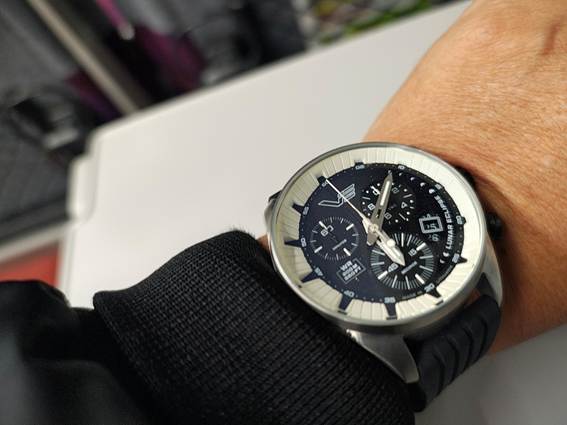
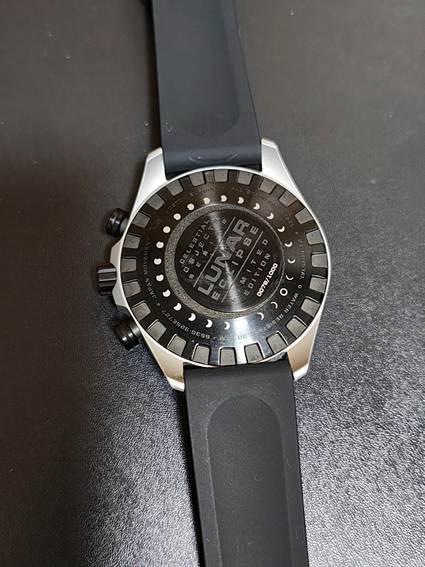
My companion for this match was the VOSTOK EUROPE LUNAR ECLIPSE.

I purchased it from an online watch specialty store. The purchase price was 90,000 yen.

The design of this watch really struck a chord with me. True to its name, Lunar Eclipse, it has a fantastical design.

Functionally, it features 20 ATM water resistance and a stopwatch function. Compared to CASIO, it’s not packed with features. However, the real strength of this watch, as I’ve mentioned before, is its design.
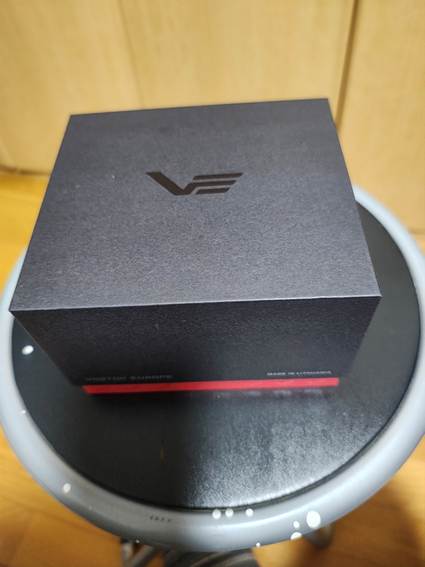
Regarding the manufacturer, VOSTOK existed in the former Soviet Union. After the collapse of the USSR, the manufacturer was reportedly dissolved. It was then reestablished in Lithuania under the name VOSTOK EUROPE. While the company itself moved to Lithuania, many watches produced here carry names clearly targeting the Russian market.
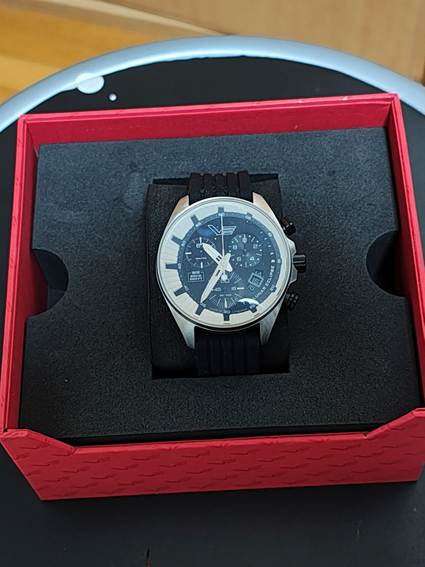
Recent VOSTOK products exhibit a strong sense of individuality in their design, ranging from pieces that follow the traditional Soviet-era style to those that evoke Lithuanian culture. I did replace one part on this watch. In its original state, the watch came with a leather strap. Considering potential use near water, I replaced it with an Italian-made urethane strap from MORELLATO. This strap has a high-quality feel, seems very durable, and above all, offers an exceptional wearing comfort.
**********************

Stop the war.

Peace to Ukraine

*************************
RUGBY JERSEY – International Friendly Match: Japan XV vs Australia A

(Written by Azul: November 1, 2025)

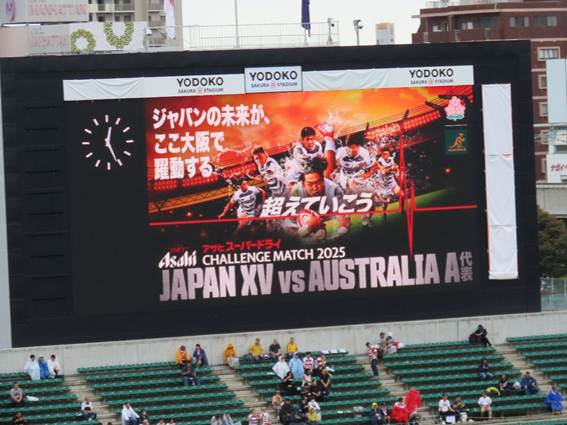
On October 18th,2025 , I traveled to Osaka for a friendly match between the Japan national rugby team and the Australia A team.

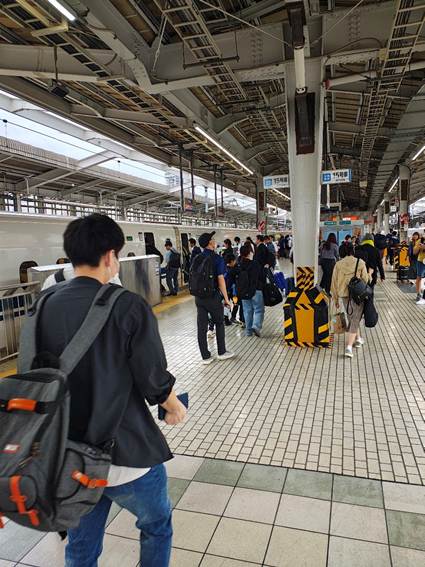
That day, I boarded the Shinkansen Nozomi 15 departing at 8:31 AM and arrived at Shin-Osaka Station at 10:39 AM. From Shin-Osaka, I took the Midosuji subway line and got off at Nagai Station. The subway ride took about 40 minutes.

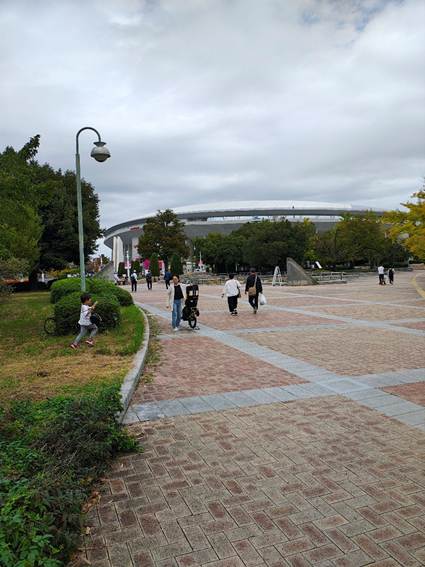
From Nagai Station, it took less than 10 minutes to walk leisurely to the stadium.

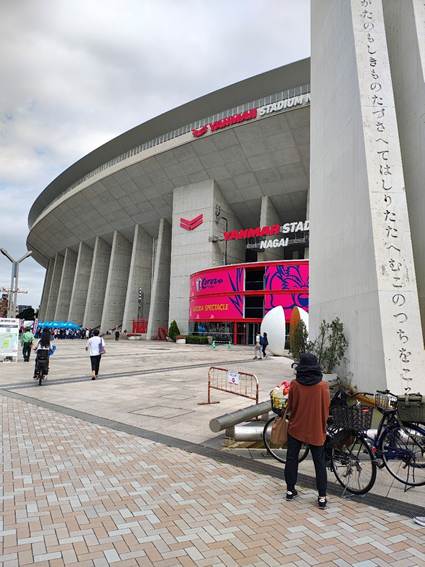
The photo above shows Nagai Athletic Stadium, located next to today’s match venue. And here is Yodoko Sakura Stadium, this day’s match venue.

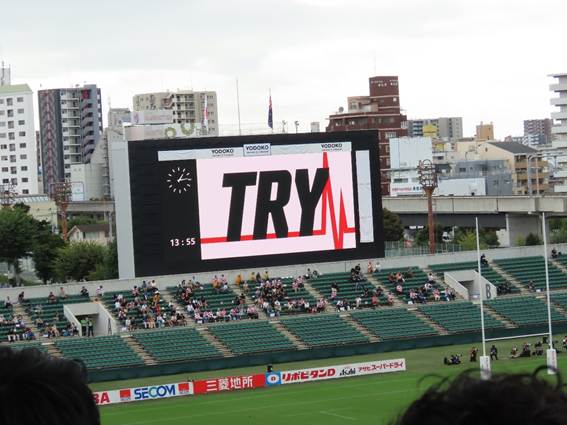
This stadium has a capacity of 24,644 spectators. It is the home stadium for Cerezo Osaka, a Japanese professional soccer team.

The weather that day was cloudy with a high of 26.3 degrees Celsius, making for quite humid and muggy conditions.

Attendance for the day was 10,105, showing decent popularity. Ideally, we’d want a full house, but Kansai fans are relatively discerning, so filling the stadium requires significant marketing effort.

Now, let’s introduce the 2 teams competing this day.

First, the Visitor Team: Australia A.

Australia A is a second-tier team, akin to the Wallabies, Australia’s national team. Since the Wallabies themselves are a powerhouse team boasting 2 RWC championships, this Australia A team is also quite strong. When we faced them 2 years ago, Japan fielded what was essentially the national team and still ended up with one win and two losses. This time, Japan XV is essentially a second-string team, so it would be interesting to see how much they can compete.

The starting lineup for the day was as follows.

Australia A
No.NameheightweightageClubAustralia Caps
1Isaac KAILEA190cm129kg25Wallatahs8
2Matt FAESSLER183cm105kg26Reds15
3Rhys VAN NEK177cm108kg26Brumbies 
4Darcy SWAIN200cm113kg28Force17
5Josh CANHAM202cm119kg24Reds1
6Rory SCOTT189cm100kg25Brumbies 
7Luke REIMER187cm102kg25Brumbies1
8Pete Sam185cm102kg33Brumbies33
9Teddy WILSON182cm84kg22Wallatahs 
10Ben DONALDSON184cm84kg26Force7
11Ollie SAPSFORD191cm104kg30Brumbies 
12Hamish STEWART183cm90kg27Force2
13Joey WALTON182cm94kg25Wallatahs 
14Tim RYAN186cm88kg21Reds 
15Mac GREALY180cm89kg23Force 

** Player to Watch **

Ben DONALDSON. 184cm, 84kg, 26 years old. Position = SO, FB. Club = Western Force. Australia Caps = 7. He made his international debut in a 2022 Test match against Italy. He was subsequently selected for the 2023 Rugby World Cup in France, appearing in 4 matches and scoring 45 points. He was also selected for 2 matches against the British & Irish Lions this season.

He boasts powerful physicality that holds its own against opposing defenders in contact, and is also a skilled kicker with a high success rate on conversions from difficult angles. Japan XV must apply pressure to DONALDSON to prevent him from freely dictating the game.

Next, an introduction to the Home Team, Japan XV.

This Japan XV squad features young players selected from the national team candidate training camp. While the backs include experienced internationals with numerous caps, the forwards include several players who are only semi-regulars for their clubs, having just graduated from university. While they show promise for the future, it remains to be seen how much they can compete against the strong Australia A team. We hope the players will rise to the occasion to build momentum for the next match.

The starting lineup for the day was as follows.

Japan XV
No.NameheightweightageClubJapan Caps
1Sho FURUHATA185cm123kg28Wild Knights 
2Shodai HIRAO174cm105kg23Sungoliath 
3Sanshiro KIHARA181cm110kg22Sungoliath 
4David VAN ZEALAND196cm116kg25Spears 
5Shu YAMAMOTO190m97kg26Black Rams 
6Tyler PAUL195m112kg30Spears 
7Akito OKUI178cm105kg24Verblitz 
8Amanaki SAUMAKI189m110kg28Eagles5
9Shuntaro KITAMURA168cm70kg23Blue Revs1
10Itigo NAKAKUSU174cm84kg25Black Rams3
11Halatoa VAILEA187cm103kg26Spears2
12Siosaia FIFITA186cm100kg28Verblitz16
13Yuya HIROSE181cm92kg24Spears4
14Kazuma UEDA177cm87kg22Steelers 
15Yoshitaka YAZAKI180cm85kg21Waseda Univ.5

** Player to Watch **

Itigo NAKAKUSU. 174cm, 84kg, 25 years old. Position = SO, FB. Club = RICOH Black Rams.

Graduated from Keio University. Japan National Team Caps = 3. He is a player who displays innate game-making sense. While his physicality still shows room for improvement, he possesses remarkable luck, having been selected for the Japan national team at just 23 years old. His growth as a player will contribute to the Japan national team’s advancement, so we hope he continues to play matches and gain experience.

Now, the first half began.

The match started with Japan XV kicking off.

Japan XV’s movement immediately after kickoff was good. They won the ball in a scrum, launched a sustained attack, and advanced deep into the opposition’s 22-meter zone.

Japan XV gained possession for a lineout inside the opposition’s 22, but Australia A stole the ball. Australia A then counterattacked, driving deep into Japan XV’s territory and putting them under pressure.

6 minutes into the first half:

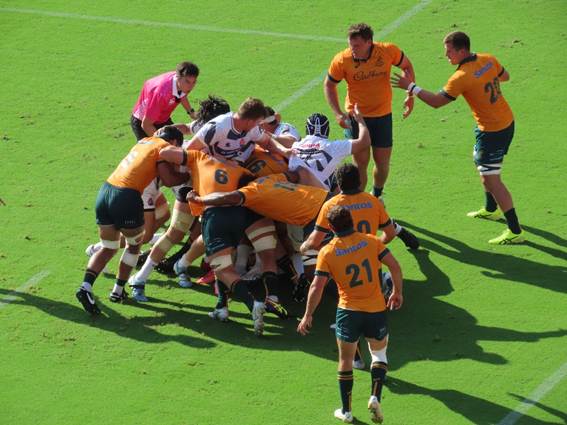
With the ball about 3m from the try line, the first scrum of the match was awarded.

Australia A won the scrum, released the ball, and moved it left. Led by their forwards, they steadily advanced towards the try line. On the 3rd attack, Australia A’s lock, SWAIN, scored the opening try, touching down just inside the left goalpost of the opposition’s in-goal area.

The conversion kick was successful, bringing the score to 0-7.

9 minutes into the first half:

From the restart kickoff, Japan XV drove deep into the opposition’s territory. After releasing the ball from a scrum, they spread play to the left. SO NAKAKUSU executed a superb short punt, creating a golden try opportunity. However, Australia A’s SH WILSON made an incredible recovery to prevent the try.

14 minutes into the first half:

During this period, Japan XV created several decisive scoring opportunities, but Australia A’s solid defense prevented them from crossing the try line.

Australia A then regained possession. Following a sustained attack, the ball was spread to the left and reached FB GREALY. He used his speed to break through the line and, tangled up with defenders, scored a try in the left corner of the in-goal area.

The conversion kick after the try was missed, leaving the score at 0-12.

17 minutes into the first half:

From the restart kickoff, Japan XV entered the opposition’s territory, and the backs launched a series of attacks. WTB UEDA approached the try line, attempted a short punt, and tried to secure it, but Australia A’s FB GREALY snatched it and launched a counterattack from near his own try line.

Australia A players followed up, passing the ball in succession. Finally, lock SWAIN scored his second try of the day in the left center of the opposition’s try zone.

The conversion kick was successful, bringing the score to 0-19.

20 minutes into the first half:

From the restart kickoff, Australia A secured possession. They linked up with short passes through the scrum, successfully breaking the line twice. Finally, WTB RYAN scored a try in the center-right of the opposition’s in-goal area.

The conversion kick after the try was also successful, bringing the score to 0-26.

22 minutes into the first half:

From the restart kickoff, Japan XV moved the ball from near the center of the field to the left. FB YAZAKI, joining the attack from the line, used his trademark speed to break through the line, evading two defenders, and scored a try in the left center of the opposition’s in-goal area.

The conversion kick after the try was successful, bringing the score to 7-26. Japan XV finally scored their first points of the match.

28 minutes into the first half:

From the restart kickoff, Australia A gained advantage in set plays after entering the opposition’s territory, advancing beyond the 22-meter line. From there, Australia A’s forwards repeatedly attacked the flanks, forming a maul near the opposition try line. Finally, scrum-half WILSON drove through the maul’s side to score a try.

The conversion kick after the try was successful, bringing the score to 7-33.

The first half ended with this score.

Japan XV showed individual breakthroughs, but their team coordination showed cracks. They couldn’t score, and defensively, they failed to break Australia A’s passing connections.

This marked the 15-minute halftime break.

Near my seat, rugby entertainer SHINYA mingled with fans. He was quite popular.

Could Japan XV overcome this deficit in the second half?

And so, the second half began.

2 minutes into the second half:

From the kickoff, Australia A broke the line from their own lineout and surged towards the try line. Japan XV defended desperately here, but ultimately conceded another try to Australia A. The try was scored by FL RAIMER.

The conversion kick after the try was successful, bringing the score to 7-40.

6 minutes into the second half:

Although only 5 minutes into the second half, Japan XV’s defense was already beginning to collapse. They could no longer halt Australia A’s advances, allowing the ball to be passed repeatedly and points to pile up. Australia A linked passes from their own half, advanced down the left flank, and finally formed a maul to drive forward. Hooker FAESLER scored a try in the left center of the opposition’s in-goal area.

The conversion kick after the try was also successful, bringing the score to 7-47.

7 minutes into the second half:

Japan XV failed to regain possession from the restart kickoff after the try. From here, Australia A launched a counterattack deep in their own territory. Australia A attacked up the right side, rapidly advancing to near the opposition’s 22-meter line.

After securing the ball from the lineout, they spread the play to the left and scored a try with ease. The try was scored by prop VAN NEK. This try came in under 2 minutes from the  restart kickoff.

The conversion kick after the try was also successful, bringing the score to 7-54.

16 minutes into the second half:

Japan XV substituted their scrum-half and fly-half.

Both teams engaged in a deep kicking battle, turning the match into a war of attrition.

Australia A players, their legs tangled, fought hard to drive forward. Finally, center WALTON scored a try in the left corner of the in-goal area.

The conversion kick after the try was missed, bringing the score to 7-59.

However, a TMO video review was conducted, and Australia A’s try was disallowed due to a foul committed during the play. The score was adjusted to 7-54.

18 minutes into the second half:

During this period, Australia A’s WTB SAPSFORD was penalized for a high tackle, shown a red card, and sent off. Australia A faced the disadvantage of playing the remainder of the match with 14 men.

However, Australia A won a scrum deep in the opposition’s territory, and Japan XV was penalized. Australia A opted for a penalty kick, driving deep into the opposition’s territory to gain a lineout on their own ball near the try line. Securing the ball, Australia A formed a maul and advanced. From there, they spread the ball wide, and substitute scrum-half ROBERTSON scored a try in the right corner of the opposition’s in-goal area.

The conversion kick after the try was missed, bringing the score to 7-59.

23 minutes into the second half:

By this stage, despite being a man down, Australia A dominated set pieces. Japan XV was struggling to properly halt their attacks.

Japan XV could stop opponents trying to break through the scrum side, but they couldn’t disrupt the attack by intercepting the offload passes that followed.

Australia A accelerated their wave attacks once entering the opposition’s territory. SO DONALDSON broke through the line, advancing deep into the opposition’s try zone. From there, the ball was passed to substitute prop IELI, who scored a try in the right center of the opposition’s in-goal area.

The conversion kick after the try was also successful, bringing the score to 7-66.

In the 30th minute of the second half, Australia A’s CTB STEWART was temporarily sent off for 10 minutes due to repeated fouls. With 2 players down, Australia A’s offensive momentum inevitably slowed. Japan XV spent more time attacking in the opposition’s territory, but their lack of finishing power in front of the try line became evident.

37 minutes into the second half:

Despite being 2 players down, Australia A continued their attack, driving forward with each play. They moved the ball from the right edge to the left edge inside the opposition’s 22-meter line. Finally, WTB RYAN scored a try in the left corner of the opposition’s in-goal area.

The conversion kick after the try was missed, bringing the score to 7-74.

The match ended with this score.

In terms of the match content, it was a crushing defeat for Japan XV. Without FB YAZAKI’s try, it would have been a humiliating shutout loss. Continuing to play matches like this risks not being scheduled for next season, leaving a lasting negative impact for the future.

This means the Japanese national team will need to put up a strong fight in next week’s Test match against Australia.

** My Watch Collection **

Starting this time, I’ll be introducing the wristwatch I wear to the match venue.

My companion for this journey is the

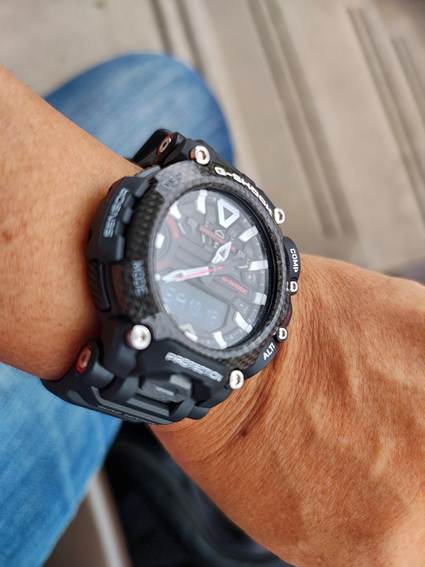
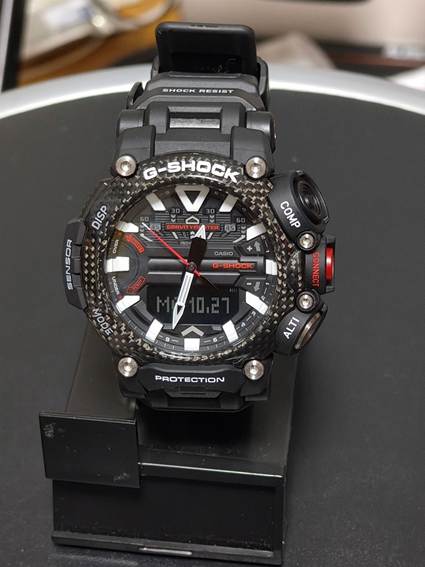
CASIO G-SHOCK Gravity Master GR-B200.

CASIO heavily promotes its best-selling G-SHOCK watches, known as Master of G, broadly categorized into 3 types:

1)    Master of G, Land

2)    Master of G, Sea

3)           Master of G, Air

The G-SHOCK Master of G models were created to meet the demands of professionals working in the harsh environments of land, sea, and air.

This time, I wore the Master of G, Air GR-B200. The price was 39,800 yen when purchased new. Looking at the front, a distinctive feature is the carbon fiber insert in the bezel surrounding the watch, emphasizing both design and its lightweight yet high rigidity.

As a fundamental G-SHOCK feature, it boasts 20-bar water resistance, allowing you to swim with it. Time adjustment uses Bluetooth to sync with your smartphone, ensuring accuracy down to the second. One disappointment was that the watch’s battery isn’t solar-powered. Therefore, regular battery replacement is necessary (every 2-3 years).

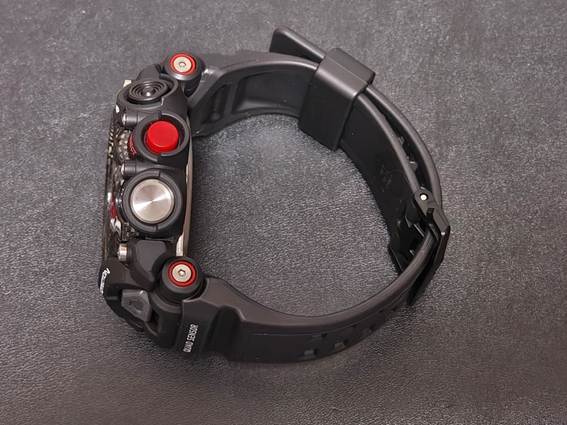
A distinctive design feature of this watch is that, when viewed from the side, the operation buttons are modeled after a helicopter’s control stick. This side design makes a strong impression, so it will likely divide users. I personally liked this design, but since it wasn’t adopted in subsequent models, it might have struggled in sales.

Regardless of this specific model, the reassuring points when using G-SHOCK are:

1) It displays accurate time (as long as paired with a smartphone).

2) It rarely breaks, even if dropped.

3) It resists water ingress. While not a Divers Watch and unsuitable for diving, it won’t leak during activities like swimming.

These features make G-SHOCK invaluable for filming competitions.

**********************
Stop the war.

Peace to Ukraine

*************************